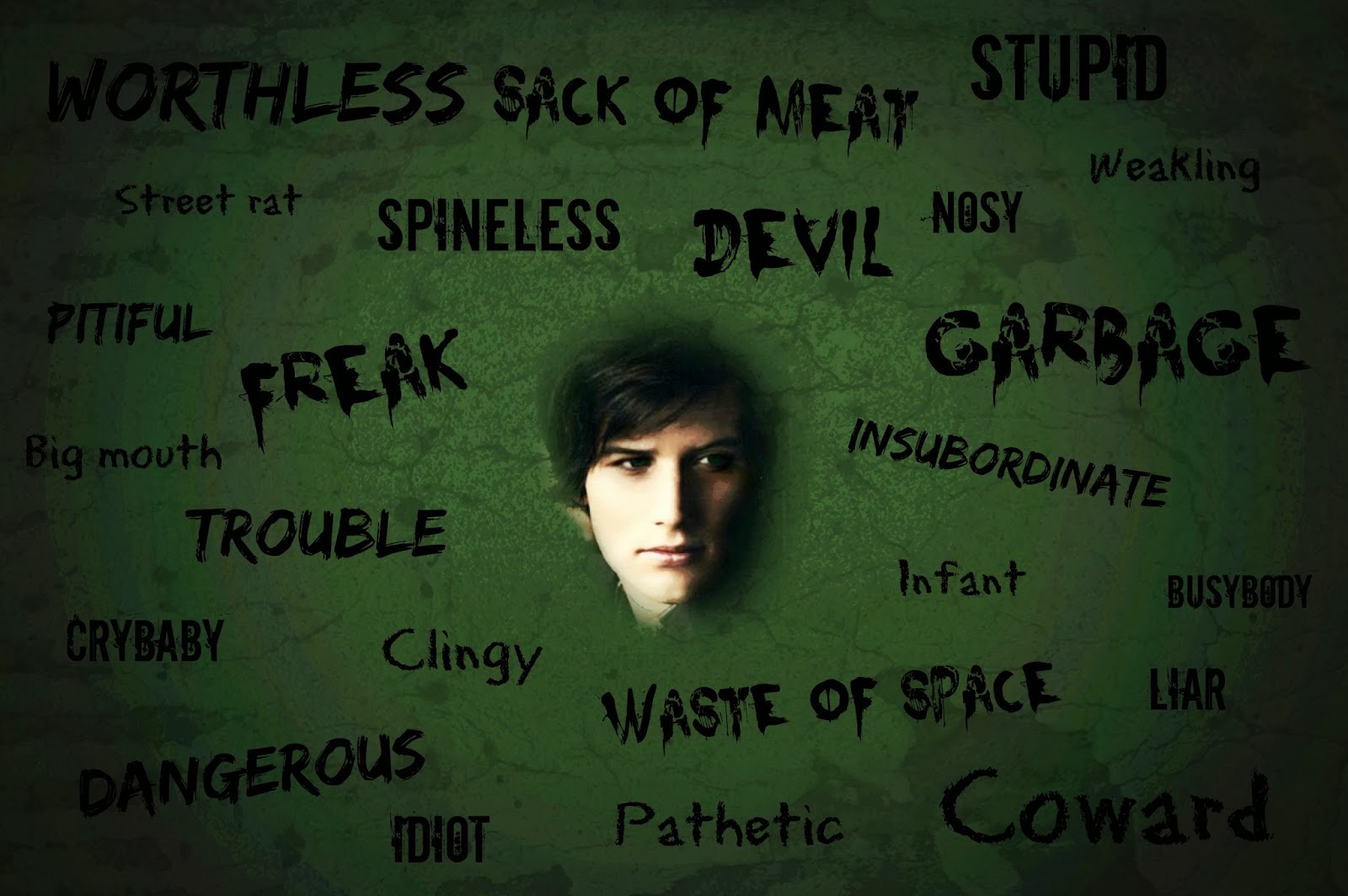
Hello again, fellow digressors. I bet you didn't expect to see me again this soon, did you? Well, here's the thing -- it's a blast sharing with you things I've written and read, and raving about the new writing music I've found. But as an author, when I visit the blogs of fellow authors, I get a little excited when there's some kind of how-to on something that's been giving me trouble. A long while back, I uploaded a post called Scribely How-To: Insecurity Maps, and it seems like several of you were excited by the concept of a new way to explore your characters' insecurities and see them laid out together. Well, I'm not sure I've discovered any other kinds of graphics to make, except maybe for character playlists, but we're not talking about those today. The theme of this post will be finding ways to make character development easier to tackle.

The thing about crafting complex, compelling characters (alliteration happens) is that, while it is vitally important, sometimes it's hard to actually pull it off. Why? Well, think about it. What would happen if someone tried to sum you up as a character?
Say you're a sixteen-year-old American girl, and you love dystopian novels and knitting. (Let's ignore, for the moment, the probable statistics on how many sixteen-year-olds actually enjoy knitting.) It would probably be easy for someone who had just exchanged a conversation with you to say this much if anyone else asked who you were. The information would be accurate, but it wouldn't sum you up as a person. If someone asked the person who'd just talked with you what your outlook was on life, and all they knew about you was that you had those hobbies, would it be accurate for them to say that the meaning of life to you was knitting and reading your genre of choice? Probably not, because your age and hobbies are only one small part of who you are. They might occupy much of your time, but they are surface details, symptoms of whatever lies within your mind and heart.
Additionally, while you might connect on a certain level with others because they also love dystopian novels and knitting, if that was all you ever talked about, the relationship would seem to be a shallow one indeed, because no-one is made up solely of what can be seen on the surface. What is within you, what matters to you, and how you view the world affects what you do on the outside, so if someone wants to truly connect with you and understand why you love certain things and act a certain way, they would have to find out a whole lot more than what hobbies you used to occupy your time. The same thing is true of characters. Character development is hard because characters are people, albeit fictional ones, and people are complex, made up of so many different elements that you could know them for a lifetime and they might still surprise you.
And sometimes it seems like it's taking a lifetime to get to know your characters, doesn't it? At least it's felt that way for me in many cases. One key difference between getting to know a real person and getting to know a character is that you can spend time with a person. You can sit down and have a face-to-face conversation with them. You can exchange questions and have lengthy conversations about your interests, your likes and dislikes, and your views about yourselves, each other, and the world. You can also observe them in day-to-day situations and see how they respond to various circumstances. A fictional character, on the other hand, is trickier to know, because you're creating them. You can't exactly sit down with them and say, "Okay, character -- tell me about yourself," or invite them to a party and observe them there. I mean, you could, I suppose, but you'd still have to be the one coming up with their answers and writing/typing what happened to them and what they did. (If you're sitting down to figure out a character and their words start appearing on the page or the screen without your intervention, something might be off.)
So what, then? Well, you could always just sit down and start writing down known facts about your character and see what else comes to mind. But after a while, that can get old, and when you run out of ideas, where do you turn? I have a few ideas, some of which I might have mentioned in the previous How-To, but bear with me here.
1. Find a character development worksheet.
These things are tremendously helpful for me because they provide a list of things that a reader might want to know about a character, things which might not have occurred to me otherwise, and allow me to simply fill in the blanks with whatever seems most consistent with how I want my character to be. It's easy for me to come up with questions such as how they look, how old they are, and what they like to do for fun, but what about their quirks? What do they do when someone presses them to do something they don't want to do? How do they feel about their family? What is their best characteristic, or their worst? There are so many questions to consider, and they might not all come to mind immediately. There are a plethora of worksheets out there, but here's a good one, complete with relevant advice and tips on things to consider when developing your characters. (Yes, the author of the post has been mentioned here a few times. Now shush.)
While you're at it, go ahead and explore the Go Teen Writers blog that hosts the worksheet I just showed you. It's tremendously helpful and encouraging. In fact, they have a whole list of topics here if you're looking for advice on something specific. Finding more should be easy -- just go to Pinterest or your preferred search engine and type in "character development worksheet" and there should be several options. Make sure to do a quick scan-read before you download, though -- not only does the quality of worksheets vary, but some worksheets will be geared more towards one genre (e.g. science-fiction, contemporary, romance) and might not be the best fit for you and your WIP.
While you're at it, go ahead and explore the Go Teen Writers blog that hosts the worksheet I just showed you. It's tremendously helpful and encouraging. In fact, they have a whole list of topics here if you're looking for advice on something specific. Finding more should be easy -- just go to Pinterest or your preferred search engine and type in "character development worksheet" and there should be several options. Make sure to do a quick scan-read before you download, though -- not only does the quality of worksheets vary, but some worksheets will be geared more towards one genre (e.g. science-fiction, contemporary, romance) and might not be the best fit for you and your WIP.
2. Find a list of potential traits and go through it to find ones which might fit your character.
While a worksheet may help you come up with new questions to ask and prompt you to come up with answers, a list of traits can help you answer those questions more easily and effectively, and also perhaps to consider the implications of a particular aspect. Writers Helping Writers is one of my favorite resources for this method. The creators have released four wonderful thesauri in digital and paperback format:
The Positive Traits Thesaurus (Useful for exploring character attributes and strengths. Available in physical and digital form.)
The Negative Traits Thesaurus (Useful for exploring character flaws and weaknesses. Available in physical and digital form.)
The Emotion Thesaurus (Useful for writing believable emotional reactions to events. Available in physical and digital form.)
Emotion Amplifiers (Useful for realistic application of secondary elements such as sickness and fatigue which might influence a character's reactions. Free download! No paperback version, as far as I know.)
I have found these to be invaluable because not only do they provide a list of traits, but they also offer such information as potential reasons for a particular trait, behaviors associated with it, and what traits in other characters might highlight or aggravate your character based on the traits the first possesses. They also have a set of more limited but still useful thesauri (such as ones for physical features, talents and skills, and emotional wounds) online here. The character wounds one is especially useful in exploring various elements of a character's backstory and how various events would likely shape them as a person, so I recommend you check that one out.
3. Take them for a test drive.
This traces back to my note about being able to observe a person in situations and better know them by their reactions to what happens. There is, in fact, a difference between having a head knowledge of a person or character's traits and knowing how those traits translate into their behavior. For example, you might know that a person dislikes spiders, and from that knowledge you might extrapolate that they will react negatively should they encounter an actual spider. You could always learn from a secondary source how extreme their reaction is, but until you actually see it happen, you have only a head knowledge of their probable reaction, not drawn from experience of any kind with watching them actually react.
With characters, I've found that of all the various kinds of prep work I could do during their development, one of the most helpful things to do is to follow writing prompts using them, or throw them into character chats wherein they react in real-time to other authors' characters (and yes, I'm aware the authors are still doing the work, but trust me when I say that the method makes a difference). For instance, if I asked you how your character would react to a random dog growling at them, you could tell me that the character is afraid of dogs and would react accordingly, or you could write a scene wherein the given scenario happened and show me that way. This is probably more effective in testing whether the character development you've done has been effective rather than necessarily coming up with anything new, but it can still help. Sometimes things look just fine when you're scribbling them onto a list, but when they're actually brought to life, you might find there's some related detail you haven't considered (or you may choose to experiment with different details and see how it fits). CCing, however, has helped me at every stage of development. There's just something about throwing a character into a room (or forest, or whatever) with a character neither you nor they know fully, with another author whose mind works differently from yours guiding the other side of the conversation.
4. Ask "Why?" until you've completely run out of things to discover (as far as you know).
This is, honestly, one of the main things I do with any kind of development in my writing -- whether I'm exploring a character, their culture, or the way their natural world works (if it's not the real one). If you think about it hard enough, there's usually a reason for most things in the world. Like, let's assume again that your character is afraid of dogs. Why? Is it just because they're loud, or did he/she have a bad experience with one earlier in life? Look into that, and also consider what other implications the reason behind that fear might generate.
My second book, 'The Merchant's Son', takes place in a bordertown wherein there's a lot of racial tension between the people from within the borders and those from without. That's all well and good to know, but why is there tension? Well, I figured, maybe the people from without felt like their territory had been infringed, and so they didn't take to their neighbors too well. This might lead to them performing acts of varying levels of resistance towards those from within the borders, who would retaliate by providing their own methods of resistance. Over generations of this tension building and running ever deeper between the nations, there would grow a common belief on either side that the people from the other side of the border were universally terrible (or nearly so), which would only foster the feelings of hostility and drive tension levels higher.
So here I've taken a surface detail that I'd already established about the cultural setting of my story and gone deeper to investigate the reasons behind it, which gives further insight into both cultures and also hints at what attitudes my characters might have inherited by being born on one side of the border or the other. Likewise, exploring the reasons behind surface traits and attitudes in your characters (whether a fear of dogs, a distrust of their parents, or simply a dislike for the number 7) may help you to understand the way they think and, as a matter of course, explore what other consequences their attitudes -- whether conscious or no -- might have on their behavior.
5. Read books about characters you love and study what makes you love them.
It always comes back to reading, doesn't it? Well, I imagine that makes sense. After all, you'd be hard-pressed to create any sort of great art without first studying what's done before and how it was accomplished. Otherwise you're basically running blind and going off of your instincts, uninformed by any accomplished sources, which isn't likely to help much. Of course, you shouldn't try to copy other people's characters, as this might get you anything from a complaint about them being unoriginal to someone calling you out on plagiarism (which is a serious charge). Besides which fact, you are an artist, a creator of worlds, ones which can come from no mind but your own. Why would you want to rip off the product of someone else's creative process?
Regardless, there are some elements which most well-developed, beloved characters have in common, even if they're nothing alike in background or personality, and the more you read of the characters whom either you or those you trust love, the better equipped you will be to answer questions such as, "What makes a character likable? What combination of traits could potentially turn a reader off to my character, and if those traits are central to them, how can I make the combination work anyways? Is there a gap somewhere in the list of things I've considered about who this character is and why they are the way they are?" Basically, when trying to find ways to become a better writer, read, read, and then read some more. Repeat ad infinitum.
In summary, character development is a complicated process, but there are many ways to make it easier on yourself, or at least to make the tireless work you do to get it right as effective as possible. I won't tell you to stick to one method, nor to use all of them, because no two minds work exactly the same way, and therefore what works for one person may not work for another. What I do hope is that you'll come away from this list today with a little less fear of the process. But be patient with yourself. Creating new worlds and people from the ideas swirling around in your head is a tremendous feat, and it won't always come easy, but that's okay. As Theodore Roosevelt once said,
"Nothing in the world is worth having or worth doing unless it means effort, pain, difficulty... I have never in my life envied a human being who led an easy life. I have envied a great many people who led difficult lives and led them well."
So what do you think? What methods do you generally use for character development? Do you have any that I haven't listed here, or maybe some elaboration on one of the points? What's your favorite character worksheet that you've found? I'd love to hear about it! And possibly check it out for myself... Even after years of working with the same characters continuously, I keep finding out little details that I'd never considered. My family says I talk about my characters and fictional worlds as if they're real and I'm just finding out more about them as I go along, and sometimes it does honestly feel that way. I wonder if that's a good sign or a sign that I need help with my problem of blurring the lines between fantasy and reality...
But, of course, I digress.
With characters, I've found that of all the various kinds of prep work I could do during their development, one of the most helpful things to do is to follow writing prompts using them, or throw them into character chats wherein they react in real-time to other authors' characters (and yes, I'm aware the authors are still doing the work, but trust me when I say that the method makes a difference). For instance, if I asked you how your character would react to a random dog growling at them, you could tell me that the character is afraid of dogs and would react accordingly, or you could write a scene wherein the given scenario happened and show me that way. This is probably more effective in testing whether the character development you've done has been effective rather than necessarily coming up with anything new, but it can still help. Sometimes things look just fine when you're scribbling them onto a list, but when they're actually brought to life, you might find there's some related detail you haven't considered (or you may choose to experiment with different details and see how it fits). CCing, however, has helped me at every stage of development. There's just something about throwing a character into a room (or forest, or whatever) with a character neither you nor they know fully, with another author whose mind works differently from yours guiding the other side of the conversation.
4. Ask "Why?" until you've completely run out of things to discover (as far as you know).
This is, honestly, one of the main things I do with any kind of development in my writing -- whether I'm exploring a character, their culture, or the way their natural world works (if it's not the real one). If you think about it hard enough, there's usually a reason for most things in the world. Like, let's assume again that your character is afraid of dogs. Why? Is it just because they're loud, or did he/she have a bad experience with one earlier in life? Look into that, and also consider what other implications the reason behind that fear might generate.
My second book, 'The Merchant's Son', takes place in a bordertown wherein there's a lot of racial tension between the people from within the borders and those from without. That's all well and good to know, but why is there tension? Well, I figured, maybe the people from without felt like their territory had been infringed, and so they didn't take to their neighbors too well. This might lead to them performing acts of varying levels of resistance towards those from within the borders, who would retaliate by providing their own methods of resistance. Over generations of this tension building and running ever deeper between the nations, there would grow a common belief on either side that the people from the other side of the border were universally terrible (or nearly so), which would only foster the feelings of hostility and drive tension levels higher.
So here I've taken a surface detail that I'd already established about the cultural setting of my story and gone deeper to investigate the reasons behind it, which gives further insight into both cultures and also hints at what attitudes my characters might have inherited by being born on one side of the border or the other. Likewise, exploring the reasons behind surface traits and attitudes in your characters (whether a fear of dogs, a distrust of their parents, or simply a dislike for the number 7) may help you to understand the way they think and, as a matter of course, explore what other consequences their attitudes -- whether conscious or no -- might have on their behavior.
5. Read books about characters you love and study what makes you love them.
It always comes back to reading, doesn't it? Well, I imagine that makes sense. After all, you'd be hard-pressed to create any sort of great art without first studying what's done before and how it was accomplished. Otherwise you're basically running blind and going off of your instincts, uninformed by any accomplished sources, which isn't likely to help much. Of course, you shouldn't try to copy other people's characters, as this might get you anything from a complaint about them being unoriginal to someone calling you out on plagiarism (which is a serious charge). Besides which fact, you are an artist, a creator of worlds, ones which can come from no mind but your own. Why would you want to rip off the product of someone else's creative process?
Regardless, there are some elements which most well-developed, beloved characters have in common, even if they're nothing alike in background or personality, and the more you read of the characters whom either you or those you trust love, the better equipped you will be to answer questions such as, "What makes a character likable? What combination of traits could potentially turn a reader off to my character, and if those traits are central to them, how can I make the combination work anyways? Is there a gap somewhere in the list of things I've considered about who this character is and why they are the way they are?" Basically, when trying to find ways to become a better writer, read, read, and then read some more. Repeat ad infinitum.
In summary, character development is a complicated process, but there are many ways to make it easier on yourself, or at least to make the tireless work you do to get it right as effective as possible. I won't tell you to stick to one method, nor to use all of them, because no two minds work exactly the same way, and therefore what works for one person may not work for another. What I do hope is that you'll come away from this list today with a little less fear of the process. But be patient with yourself. Creating new worlds and people from the ideas swirling around in your head is a tremendous feat, and it won't always come easy, but that's okay. As Theodore Roosevelt once said,
"Nothing in the world is worth having or worth doing unless it means effort, pain, difficulty... I have never in my life envied a human being who led an easy life. I have envied a great many people who led difficult lives and led them well."
So what do you think? What methods do you generally use for character development? Do you have any that I haven't listed here, or maybe some elaboration on one of the points? What's your favorite character worksheet that you've found? I'd love to hear about it! And possibly check it out for myself... Even after years of working with the same characters continuously, I keep finding out little details that I'd never considered. My family says I talk about my characters and fictional worlds as if they're real and I'm just finding out more about them as I go along, and sometimes it does honestly feel that way. I wonder if that's a good sign or a sign that I need help with my problem of blurring the lines between fantasy and reality...
But, of course, I digress.